

01 · The base regime
Temporary Admission in Spain.
The Temporary Admission procedure allows non-EU goods intended for re-export to be used within the customs territory of the European Union with total or partial relief from import duties. It is a general customs procedure, not a yachting one — but for vessels it is the foundation everything else is built on.
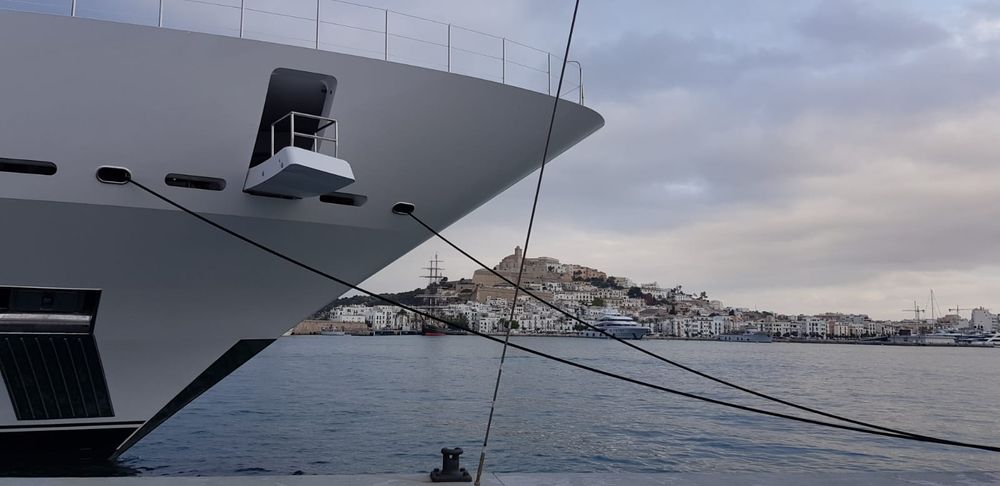
Applied to yachting, Temporary Admission allows a non-EU registered yacht to remain in the European Union with full relief from import VAT and to navigate freely within EU territorial waters without additional customs formalities, for a period of up to 18 months.
The clock starts when she enters EU customs territory — not when she arrives in Spain, and not when she reaches the yard. That single date governs everything that follows, so it is worth establishing it before a season and a refit are planned around it.
- Who qualifies. A vessel with a non-EU owner and a non-EU flag, intended for re-export outside the customs territory of the Union.
- What it gives you. Relief from import VAT on the vessel, and free navigation in EU territorial waters without further formalities at each port.
- What it does not cover. The regime covers private use. Commercial operation in EU waters changes the picture and has to be assessed separately.
- How it ends. By re-export outside EU customs territory, by importing her, or by moving her into another customs regime — which is where Inward Processing comes in.
02 · The documentation
Annex 71, and what it actually is.
Annex 71 is the annex to the EU customs legislation that governs special procedures. In everyday yachting language the term has come to mean something narrower: the documentation that places a vessel under one of those procedures, inward processing included.
In practice, it is the paperwork that allows works to be carried out on a vessel under a suspensive regime — the authorisation that defines which goods are covered, which works are authorised, for how long, and in which place.
It is worth being precise here, because two different things travel under the same name. Annex 71 is not the same as the movements in and out of a TPA context. They are distinct, they are documented differently, and treating one as the other is a common source of trouble when a file is reviewed later.
03 · The refit regime
Inward Processing — TPA.
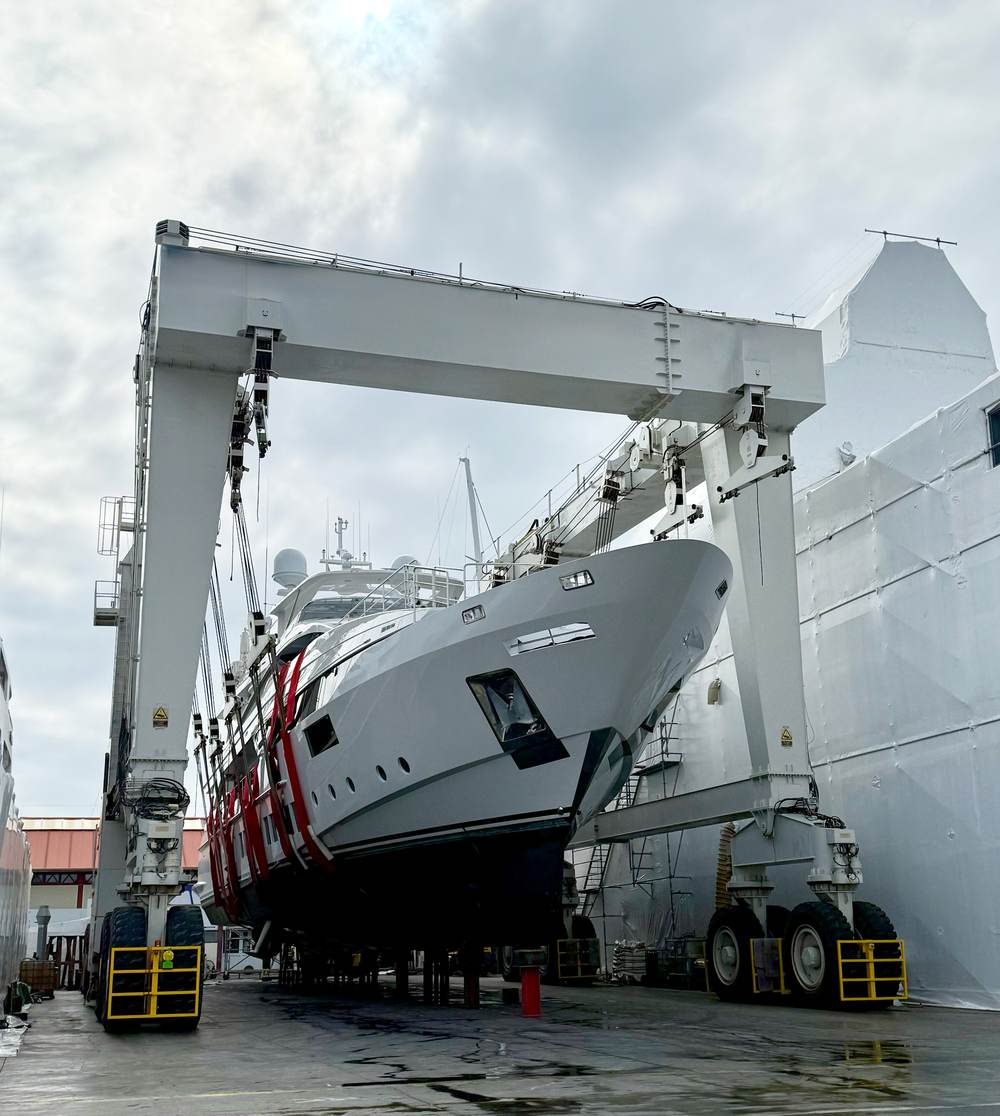
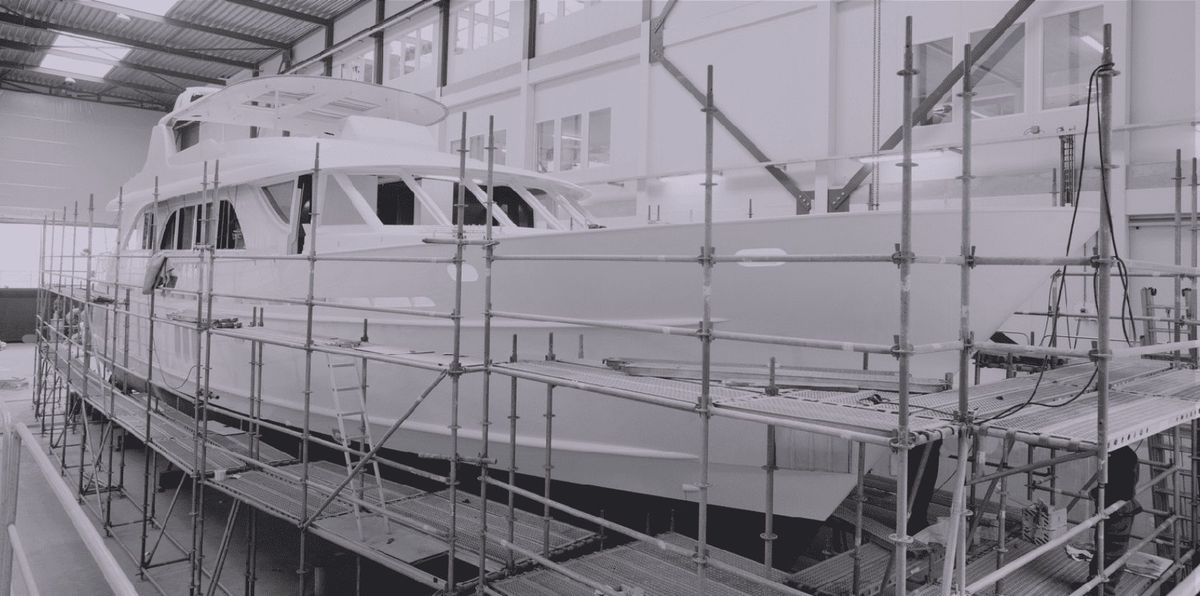
Inward Processing — TPA in Spain — is the EU fiscal regime that permits vessels under Temporary Admission, with a non-EU owner and a non-EU flag, to undergo repairs and maintenance without paying the 21% VAT on the works.
Under the same regime, a yacht can receive goods and spare parts from both EU and non-EU countries for incorporation on board, without paying duties or VAT. On a large refit, the parts alone can account for a substantial share of the saving.
There is a third effect, less often mentioned and just as valuable: while the vessel is under TPA and the works are running, the 18-month Temporary Admission clock is suspended. A long refit no longer eats the season that follows it.
The regime is tightly regulated. Every operation must comply with customs and fiscal requirements, with detailed reports and inventories submitted to the relevant authorities — and it can only be managed by a registered Customs Agent.
Conditions
Five things that have to be true.
The vessel must be owned by a non-EU person or entity.
She must be registered outside the European Union.
The regime builds on an existing Temporary Admission position.
The marina or shipyard must hold one. We confirm this first.
Only a registered Customs Agent can process the regime. We are AEO.
Watch
Two minutes on the regime.
If you would rather hear it than read it — the same explanation, from the desk that files the paperwork.
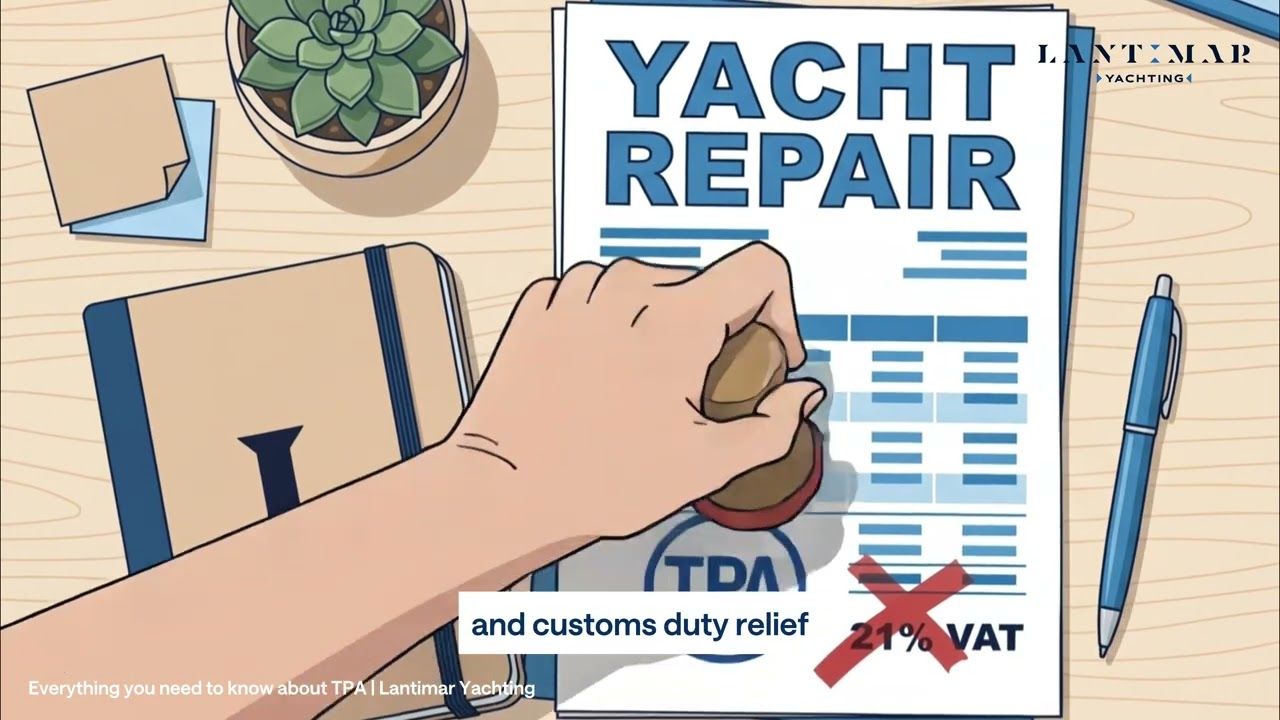
The video loads from YouTube only when you press play, so no third-party cookies are set before that.

Ten years, two companies
The customs agent and the yacht agent work in the same office.
The process
How the regime works.
From the moment she enters the yard to the day she leaves — every step handled, every requirement met. Over more than ten years our dedicated team has guided captains, contractors and management companies through each stage.
Entry & setup
We open the Inward Processing regime and confirm that your marina or shipyard holds a recognised customs location. Eligibility — owner, flag, the date she entered EU customs territory and the scope of works — is checked before anything starts, not after.
Compliant works
Repairs and maintenance proceed under customs supervision. Goods and spare parts are supplied duty- and VAT-free under the regime, whether they come from inside or outside the European Union.
Reports & inventories
Detailed reports and inventories are prepared and submitted to the relevant authorities throughout the works. This is the part that most often goes wrong when the regime is handled without a registered customs agent.
Clean discharge
The regime is closed correctly once the works are complete — full fiscal and customs management, fully compliant, with no loose ends and no open file waiting to surface at the next port.
Where it applies
Present across Spain.
The regime can be applied at any marina or shipyard with a recognised customs location in Spain. We manage refits under Inward Processing at recognised locations in fourteen ports, from the Balearics to Andalusia. Tell us where she is heading and we will confirm you are in the right place before the works begin.
Select a port to zoom in
Balearic Islands
Catalonia
Valencian Community
Murcia
Andalusia
Side by side
Temporary Admission or Inward Processing?
They are not alternatives. Inward Processing sits on top of Temporary Admission and takes over for the duration of the works. Here is what changes when she moves from one to the other.
| Temporary Admission | Inward Processing · TPA | |
|---|---|---|
| What it is for | Staying in and navigating EU waters | Carrying out repairs, maintenance and refit |
| Main relief | Full relief from import VAT on the vessel | No 21% VAT on the works; no duties or VAT on parts incorporated on board |
| Owner | Non-EU | Non-EU |
| Flag | Non-EU | Non-EU |
| Duration | Up to 18 months in EU customs territory | The period authorised for the works |
| The 18-month clock | Running | Suspended while the works run |
| Who files it | Declared on entry into EU customs territory | A registered Customs Agent — Lantimar is AEO |
| Where | Anywhere in EU waters | Any marina or shipyard in Spain with a recognised customs location |
Frequently asked
Ten questions we get every week.
What is Temporary Admission for a yacht in Spain?
Temporary Admission is the EU customs procedure that allows non-EU goods intended for re-export to be used within the customs territory of the European Union with total or partial relief from import duties. Applied to yachting, it allows a non-EU registered yacht to remain in the European Union with full relief from import VAT and to navigate freely within EU territorial waters without additional customs formalities.
How long can a yacht stay in the EU under Temporary Admission?
Up to 18 months. The clock starts when she enters EU customs territory, not when she arrives in Spain. It is worth knowing the exact entry date before planning a season and a refit around it, because that date governs everything that follows.
What is Annex 71?
Annex 71 is the annex to the EU customs legislation that governs special procedures. In yachting practice the term is used as shorthand for the documentation that places a vessel under one of those procedures, inward processing included — the paperwork that allows works to be carried out under a suspensive regime. It is distinct from the movements in and out of a TPA context, and the two are often confused. Each authorisation defines the goods, the works, the period and the place.
What is Inward Processing, or TPA?
Inward Processing — TPA in Spain — is the EU fiscal regime that permits vessels under Temporary Admission, with a non-EU owner and a non-EU flag, to undergo repairs and maintenance without paying the 21% VAT on the works. Under the same regime she can receive goods and spare parts from both EU and non-EU countries for incorporation on board, without paying duties or VAT.
Does TPA stop the 18-month Temporary Admission clock?
Yes. While the vessel is under the TPA regime and the works are running, the 18-month Temporary Admission clock is suspended. This is one of the most misunderstood points of the regime, and one of the main reasons to open it properly rather than let the works run under Temporary Admission alone.
Can spare parts be supplied VAT-free under TPA?
Under Inward Processing a yacht can receive goods and spare parts from both EU and non-EU countries for incorporation on board, without paying duties or VAT. The parts must be properly declared and must appear in the inventories submitted to the authorities.
Which yachts qualify for the regime?
The vessel must have a non-EU owner and a non-EU flag, and she must be under Temporary Admission. The regime covers private use; commercial operation in EU waters changes the picture and has to be assessed separately. Ownership structures in particular deserve a look before works are committed.
Where in Spain can Inward Processing be applied?
At any marina or shipyard with a recognised customs location in Spain. We manage refits under the regime at recognised locations across the Balearic Islands, Catalonia, the east coast and the south — fourteen ports in total. Get in touch and we will confirm you are in the right place before the works begin.
Who is allowed to manage the regime?
Only a registered Customs Agent. Lantimar Yachting and Lantimar Customs & Logistics are officially Authorised Economic Operators (AEO) and are authorised to perform and manage refits under the TPA regime in Spain. Working side by side, the two companies handle the agency and the customs side of the same refit.
What happens when the works are finished?
The regime has to be discharged correctly. Reports and inventories are closed out with the authorities and the vessel returns to her previous position, with the Temporary Admission clock resuming. A regime left open is a problem that tends to appear later, at the least convenient port.
Every vessel is a case of her own. Flag, ownership structure, the date she entered EU customs territory and the scope of works all change the answer. We assess each file before the works begin, not after.
Make sure you are in the right place.
Tell us about your yacht and your planned works. We will confirm eligibility and set up the regime before anything starts.

